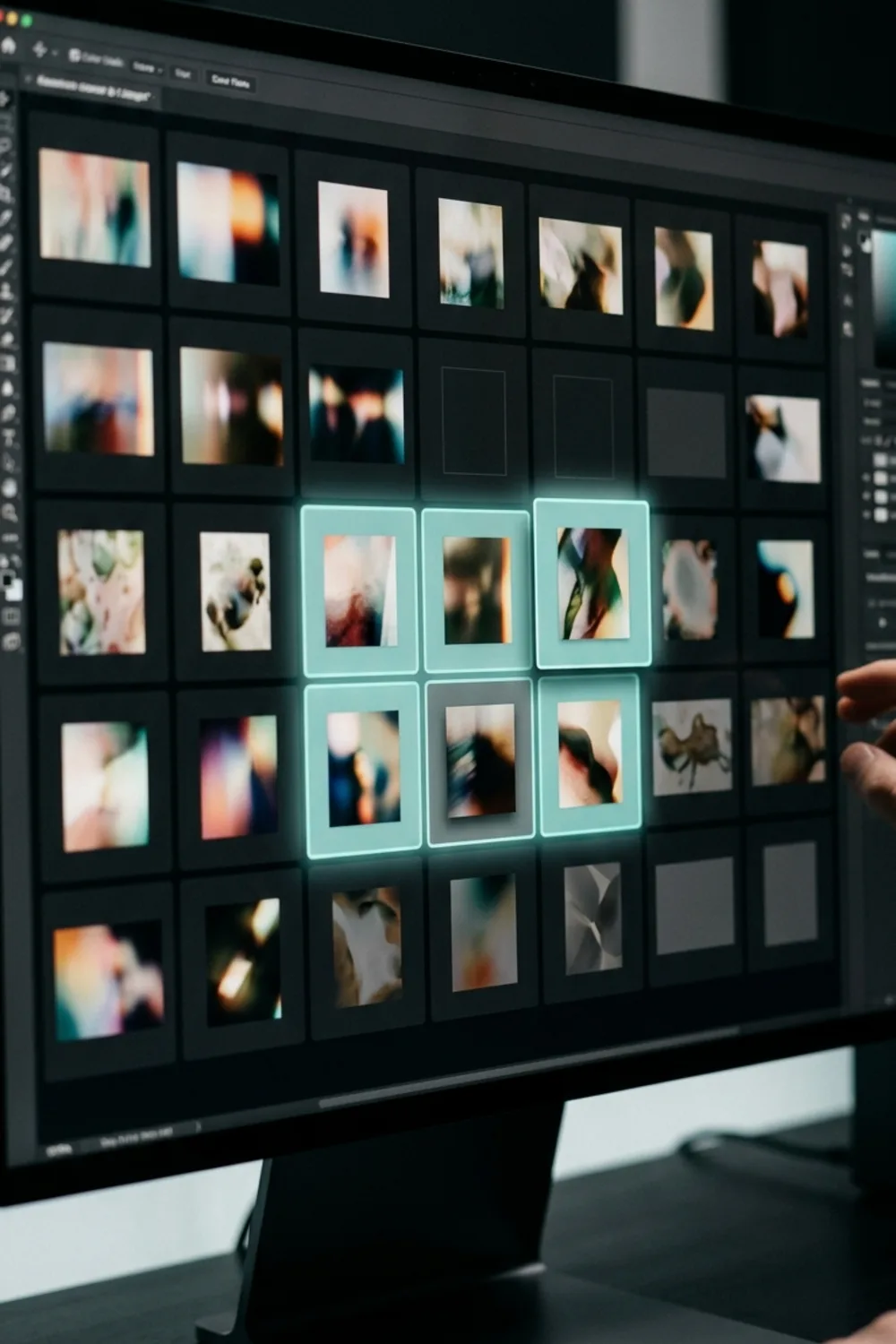
The look isdownstream ofthe goal

You can build anything now. The question is whether it feels like yours. A cohort crash course in designing with AI, judgment first, tools second.

For designers going agentic, product managers, and founders & small-business owners dreaming of launching exceptional apps.

Starts July 27 / 5 weeks / Mon & Wed, 18:00 CET / 3 to 5h practice between

The problem?

Functionality is freeSo everything looks

the same

The same gradient hero
The same rounded cards
The same purple SaaS palette
The same Inter on everything
The same glassmorphism panels
The same emoji bullet points
The same big-number hero metrics
The same “AI-powered” headline
The same blobby pastel illustration
The same dark mode with a glow

Demo: five near-identical apps generate one after another; only the accent colour and a size ever change.

Five apps. One template. Only the accent and the radius ever changed.

The edge now isn't being able to code something; it's understanding what the client needs, learning to meet it, and speaking their languageOnly a human has taste, the thing that makes a product feel considered

Method

Impact first Form follows

Start from the change you want in the world, not from how it looks. Everything downstream serves that. The method is five moves, in order: the tools are interchangeable, the order is not.

The tools

Many tools
One spine of judgment

The skills you actually use, and how they fit together. Toss the chips around. Tap one to open it.

Curriculum

How we go from idea to shipped, consistently

Before week one (async): build a working model of LLMs, set up your keys and terminal, and learn the tool map. So the cohort opens on judgment, not setup. New to agentic tools? Foundation is your on-ramp — take it live before the cohort starts, or as a recording with interactive exercises.

Constraint & Taste

Name the job — and what it refuses to be.

  • The look is downstream of the goal. JTBD and The Goal: name the one outcome and the constraint that guards it.
  • Taste calibration. Expensive next to templated, side by side; write your anti-values.

A one-page brief — goal, switching forces, anti-values.

You decide what your product must do — and what it must never look like.

From Brand to Assets

Turn emotional intent into structured guidelines.

  • Emotional intent becomes structured guidelines: palette, type, voice and moodboard, generated and pinned down.
  • On-brand image gen: line art and hero art, not generic stock.

A brand-guidelines doc and an on-palette asset set.

Your taste becomes written rules any tool can follow.

Code-Native Design

A DESIGN.md drives a real UI. Generic next to branded.

  • Brand as text. A DESIGN.md drives Claude Design or Pencil into a real UI, side by side with the generic version.
  • See Claude Fable, the lab's most capable design model, run live on a shared project. Compare its output against the rest.

Fable is the frontier design model most people never touch. This week you watch it work, up close, on shared projects.

A working, branded interface from one source of truth.

Your brand becomes a file — and AI tools obey it.

Quality Gates

The taste bar, written down and enforced.

  • The impeccable audit and the written taste bar; fix exactly what it surfaces.
  • The Superpowers loop and a Codex adversarial review. Iterate three times and keep the thread intact.

Work that clears the bar, revised through v3.

You write down what “good” means, then hold every draft to it.

Ship

The design system as code. Certification is a live demo link.

  • The design system as code; present builds the pitch from the same tokens.
  • Peer review on taste and execution. Certification is a live demo link.

A shipped demo link and an on-brand pitch.

You launch a real product and a pitch that match — and you can do it again.

A lab, not a course

5 weeks, two live sessions a week, a small room of people building real things. Never a lecture hall.

Two sessions a week

Monday theory and Wednesday practice, 18:00 CET, two hours each, for 5 weeks from July 27.

40% talk, 60% build

Frameworks and live demos, then hands-on time on your own project. Never more than 30 minutes of straight lecture.

8 to 15 builders

Small enough for real peer review and meaningful Show & Tell. You are seen, supported, and never anonymous. The group shares questions, blockers, and progress as the work gets real.

Supported between sessions

A private WhatsApp group, weekly homework, optional 1:1 office hours. Every session is recorded, so other time zones can keep up.

From the Claude Code Lab

What people shipped

These were built in the Claude Code Lab, the cohort this design course grows out of. Product people, founders, and a few who had never written a line of code all shipped working things in weeks.

Anna B., Printing business owner

A 20-year printing business, digitized

Payroll that took a full day, now minutes. A prepress checker that has run for a month with no reprints caused by human error so far. A new division architected as lightweight ERP instead of buying enterprise software. Built by someone with no code background at all.

Claude CodeCodexzero code background
I still cannot quite believe it: my grown son says no one would believe his mother codes at 3 a.m. and sends him terminal commands.
Eugene S.

An automated YouTube channel

One command takes an image to animation to AI-composed music to a published video, end to end.

There are already 13 videos and I started a week ago. Three subscribers: two are me and my wife, one is a real person.
Agent SDKSunobuilt in 1 hour
Vitaliy Z.

An agent that orders the water

A Real Browser skill that navigates a messy real-world store to place a water-delivery order.

It is a waterfall, a waterfall of information. You ran so far ahead that I just had to sprint to keep up.
Real BrowserSuperpowersreal-world tasks
Ulyana S., HR

An HR scoring dashboard

Forty application questions in a sheet, turned into an analytics site any hiring manager can read.

Claude Code is somehow permanently in my context window now. All day, whenever I hit a task, I ask: can I do this with Claude Code?
Claude Code1.5 hours
Yulia K., Artist

An art workshop landing page

An artist with no code shipped her workshop page and, with the same tools, structured the course program itself.

It was really cool, because we developed the program itself together with Claude.
Claude Codeart directionnon-coder
Darya K., Founder

A conference finder and pitch portal

An agent that crawls for speaker calls daily and tailors each application, plus a jury portal with per-expert logins, scoring, and email.

One of the jury members told me she now wants to start vibe-coding too. A side effect I did not plan for.
Agent SDKVercelNotion9.5 hours
Liubov O.

A Google Ads analyst agent

Pulls search queries, runs negative-keyword and competitor analysis, then an analyst agent writes recommendations. Weekly reports run on parallel agents.

The main feeling I am left with is that I can do more. I just do not yet know what, or how.
Agent SDKClaude APIparallel agents
Alexey S.

A LinkedIn content and outreach system

A brand book that spins out per-channel post cards in five minutes; a Chrome pipeline narrows outreach to people with 40+ mutual connections.

I threw it together in five minutes too, and it spread so far that almost 120 people followed me on LinkedIn.
Claude CodeChrome automation+120 followers
Mikhail B., Production studio

A product prototype investors react to

A film-production team fed a pile of research into Claude and got back a working site prototype for their new service, the kind clients and investors open and immediately respond to.

It one-shot a working prototype we now show to clients and investors, and they go: wow, what is this, how cool does it look.
Claude Codeweb prototype~$50, two passes

Everyone shipped. From first idea to a working demo in about six weeks. Not a webinar. A real link you can open.

Voices from the Lab

In their own words

The right keywords, from which the right tooling follows — if you’re senior enough, you can adopt the rest yourself. I barely made the live sessions, and I don’t regret a single second of what I paid for.

George Y.Product design lead, 24 years in design

I recommended the course to my colleagues. What I really enjoyed is your personality and your wisdom. I never felt that vibe you get all over the internet from people selling AI courses — reselling basic stuff and chasing attention with clickbait.

Anton K.

One day theory, the next day we just had to build something. The entrance threshold for doing this on my own would have been very high — doing it as a group was definitely worth it. Expanding my productivity from 1 to 100 was amazing.

Anna K.

Before the lab: ChatGPT in a browser. After: Claude Code daily, my own Skill, automated tasks — saving 10+ hours a week.

Alexey

Because there was so much practice, everything stuck at the motor level — did it, tried it. That works far better than theory.

Vitaliy Z.

I’ve stopped being afraid of big tasks. And I have this feeling I don’t fully understand — not just what I’m capable of, but what we’re capable of together with Claude.

Olga K.
The instructors
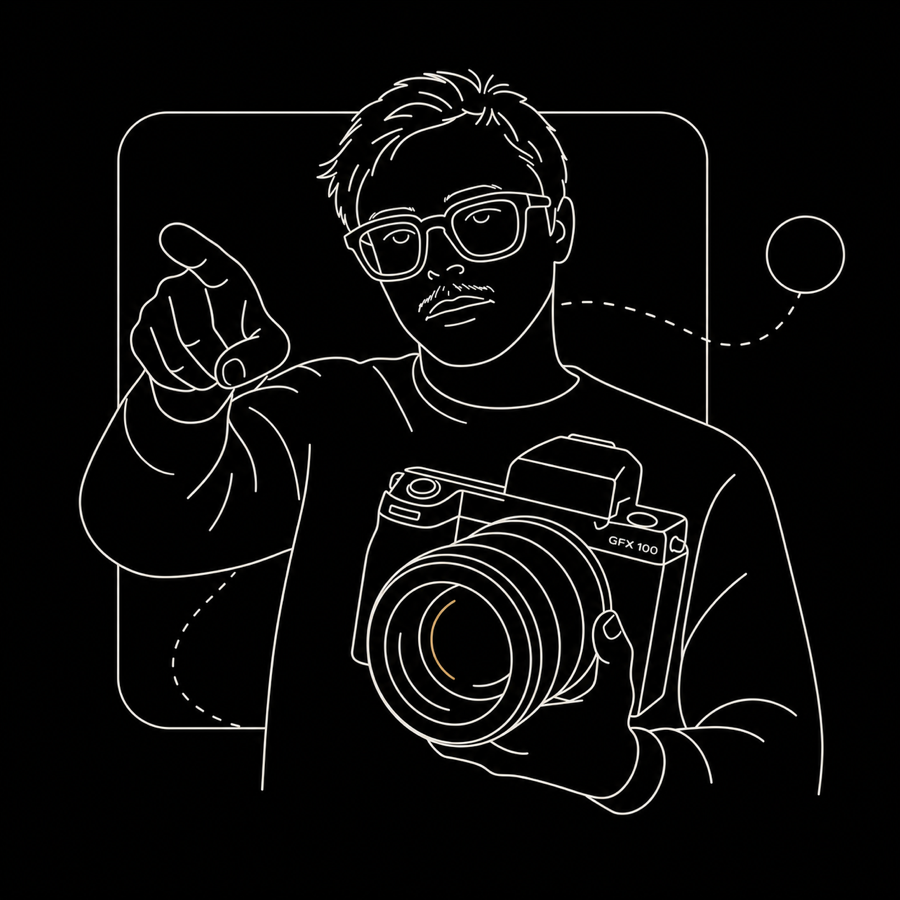
Line-art self-portrait of Gleb Kalinin holding a camera

Hi, I'm Gleb

Solopreneur, AI product developer, and educator, with 25 years in IT building products and leading teams across startups and corporations. These days I build AI-first apps (Cenno, Cull, a genetic toolkit, and more) and teach the way I work: start from the goal, keep taste the whole way through.

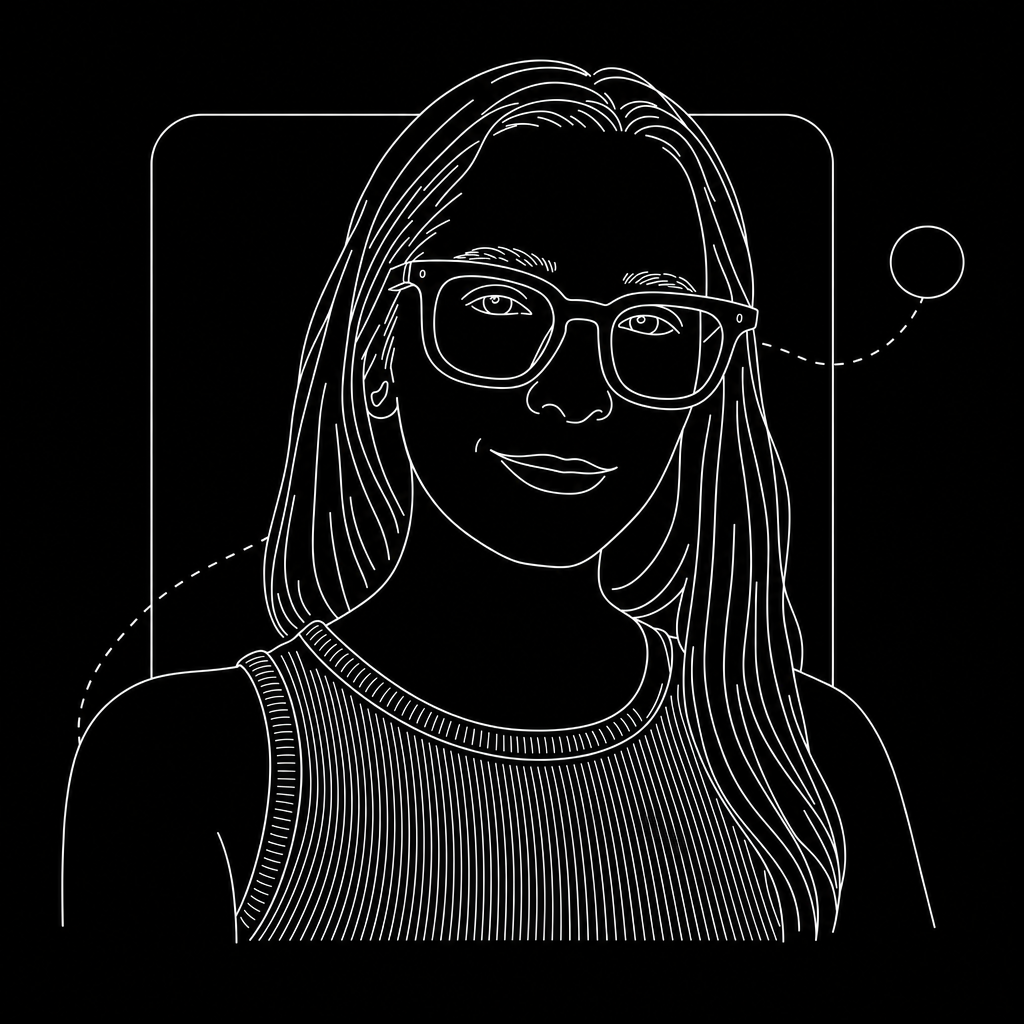
Portrait of Yulia Katan

Hi, I'm Yulia

Artist and educator with 10 years of experience in fine art, animation, and scenic painting. I work across drawing, painting, sculpture, and installation, and have taken part in exhibitions and collaborative art projects. In my workshops, I help participants train imagination, sharpen visual taste, and develop more personal, confident ways of generating ideas.

I'm building a lot

0 commits this year
Less More
Projects

Here is what I build

Outputs

One brand set. Every surface.

Carousels, covers, decks, graphics, automations — generated from the same design tokens by multi-agent systems you build in the lab, all unmistakably yours.

Instagram carousel

Copywriter + designer sub-agents render the slides.

YouTube cover

16:9 thumbnails generated from the token palette.

Social graphic

Quote cards, announcements, drops — on-brand in one pass.

Brand kit

Swatches, type specimens & token exports from one DTCG file.

Slide deck

Presentation decks templated and filled by a layout agent.

Automations

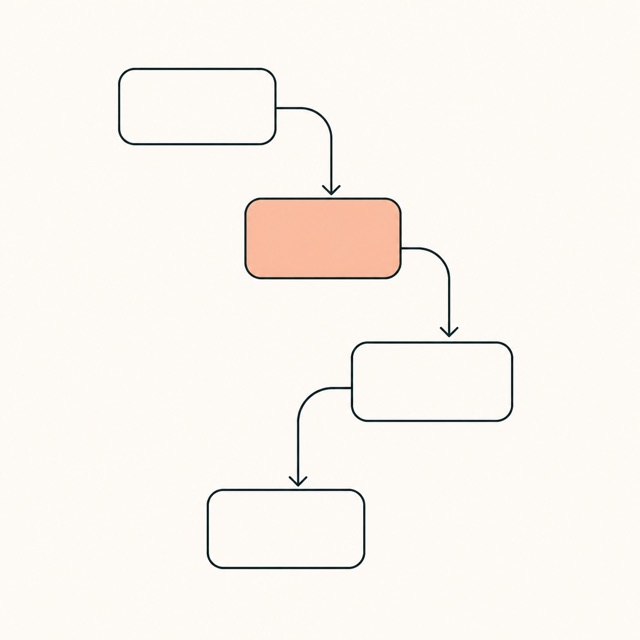
Agent pipelines: trigger → design → review → ship.

The shift

From generic
to unmistakably yours

Now

You ship fast, and it looks like everything else. You polish details that move nothing. You are one more AI builder, indistinguishable from the next.

After the lab

You start from the goal. The work looks deliberate, owned, unmistakably yours. You ship things people actually use, and you can do it again.

The difference is not more features. It is the judgment to make it feel intentional, and a to repeat it.

Outcome

You ship, not attend

  • A reusable DESIGN.md, your brand as version-controlled text.
  • A working prototype built through the full pipeline.
  • A presentation that pitches it, on-brand from the same tokens.
  • Certification is a demo link, not a certificate.

Who it is for

  • Designers moving into agentic design — you have touched Claude Code or Codex and want craft to survive the shift.
  • Product managers, founders and small-business owners turning the app in their head into a shipped product.
  • Career-levelers staying ahead of the tools — and dreaming of launching something exceptional.

Not for you if you want a certificate more than a shipped product, or you would rather outsource taste than learn it.

Enroll

Pick your format

Small cohort, 8 to 15, so peer review is real. Recordings make it workable across time zones.

Standard
€500
  • All 10 live sessions + recordings
  • Private WhatsApp cohort
  • Weekly homework + Show & Tell
  • DESIGN.md templates + the toolkit
  • Claude Fable demoed live on shared projects — our most capable design model (personal tokens not included)
Join Standard
Personal
€1,200
Only 3 seats, 2 of 3 left
  • Everything in Standard
  • 3 to 4 private 1:1 sessions
  • A full review of your real project
  • Priority feedback all cohort
Join Personal
Team
€2,700
Bring your team

A no-questions-asked full refund any time within the first 7 days.

Never used an agent? The Foundation pre-training gets you to the start line — live before the cohort, or as a recording with interactive exercises.

Cohort starts July 27. One small room, 8 to 15 builders.

Presentation for your boss ↗ — narrated, readable as an article or slides, with a ready-to-send approval letter. Need an invoice? Contact Gleb on WhatsApp +49 176 85278763.
FAQ
Do I need design experience?
No. You need to care about the outcome. The course teaches judgment; the tools do the execution.
Do I need to code?
Comfort in a terminal helps, and the Foundation pre-work covers the basics. The tools generate shipping-ready code; you steer.
How much agentic experience do I need?
A little goes a long way: ideally you have opened Claude Code or Codex at least a few times. Haven't? Take the Foundation pre-training before the cohort starts — live, or as a recording with interactive exercises. It gets everyone to the same start line.
How much time per week?
Two live sessions plus 3 to 5h of independent practice. You ship as you go.
Do I keep access after?
Yes. Recordings and materials are yours, and so is the DESIGN.md you build.
Which AI tools do I need?
We cap it at two new tools per session to avoid overwhelm. The tool map in the Foundation tells you exactly what to install.
What language are the sessions in?
Sessions run in English. Recordings and all written materials are in English.
Is there a refund?
Yes. A no-questions-asked full refund any time within the first 7 days.
What will the AI tools cost on top of tuition?
Plan for the tools' own subscriptions. We recommend a $100+/month plan for Claude Code or Codex; cheaper alternatives like GLM also work. The Foundation pre-work lists exactly what to get.
How big is the cohort?
Each room is 8 to 15 builders.
The course uses specific tools. What if they change?
The method is tool-agnostic by design. You learn the judgment, not one vendor, so when the tools change the spine does not.
Who is this not for?
Not for you if you want a certificate more than a shipped thing, or you would rather outsource taste than build it. If you want work that looks like yours, it fits.
The system

This page is built from
design tokens

Every color, size, font, and corner here comes from one DTCG token set, compiled by the design‑tokens skill we build in the course. Change one token, the whole page moves.

View /
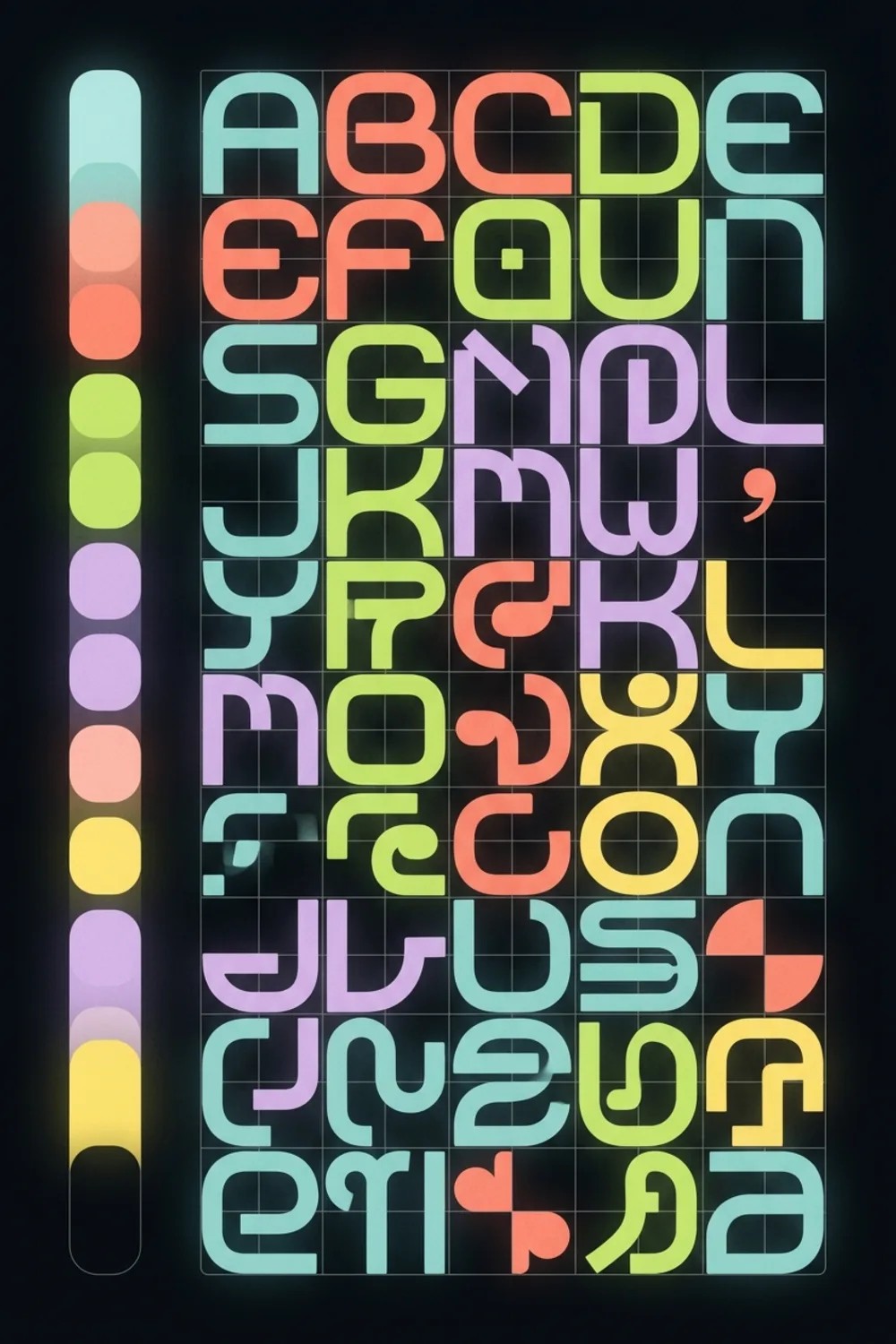
color · roles & superfamily accents
lead--lead
neon#F5B8A5
argon#F1E170
xenon#B6D162
radon#82D2CF
krypton#BC9AFA
ink--ink
muted--muted
border--border
type · scale
display · Xenon 700Goal-driven
body · Neon 300Monospace that breathes.
mech · KryptonSHIP / REVIEW / ITERATE
space · 4 / 8 / 16 / 24
xs · 4px
sm · 8px
md · 16px
lg · 24px
radius · 4 / 8 / 16 / 24
sm
md
lg
xl
Elements, every one from the same tokens
core taste A token-colored link
Note. Border, tint, and radius all read from the live accent. Switch it above.
/* tokens.css, exported by the skill */
:root {
  --lead:    #BC9AFA;
  --ink:     #F4F6F8;
  --bg:      #0C1116;
  --radius:  8px;
  --space-lg: 24px;
}
live · rendered from the tokens at left chip · --lead
Edit a value, every element above moves.

The look is
downstream
of the goal

Stop being one more AI builder. Make work that is unmistakably yours.